The Shift in Gaming Hardware Pricing
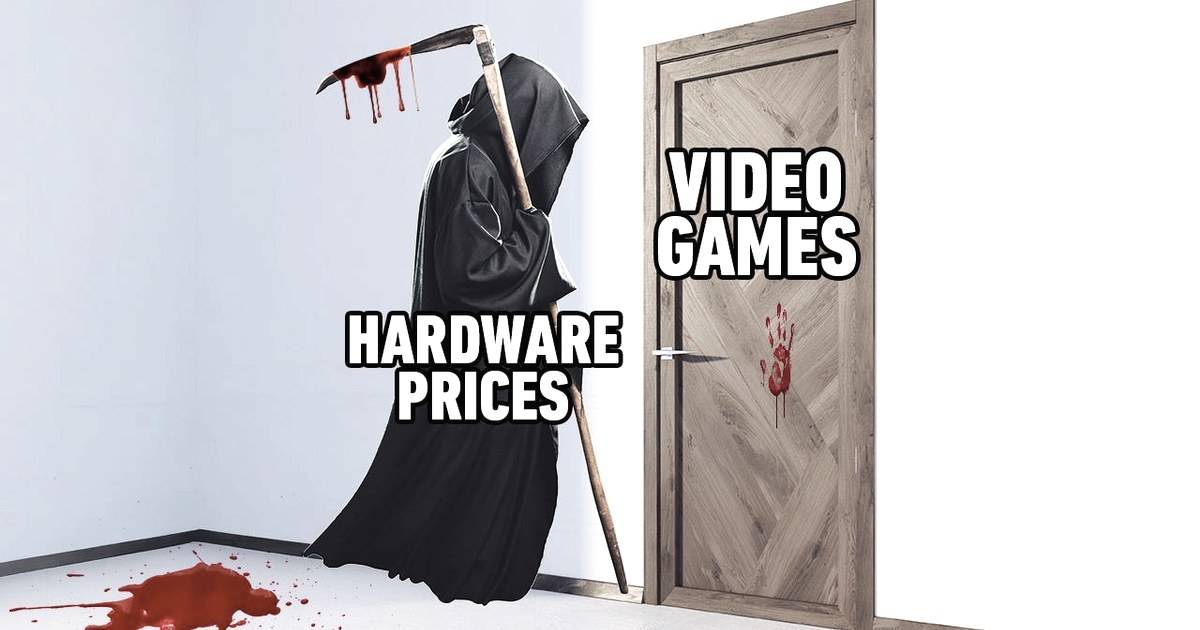
For decades, the video game industry followed a predictable cycle when it came to hardware pricing. Typically, a new console would launch at a reasonable price, attracting early adopters. Over time, as production costs decreased, the price would drop further, making the console more accessible while simultaneously expanding the game library. This cycle, however, seems to be deteriorating in the current console generation, where prices are not declining but rising instead.
Factors Influencing Price Increases
Multiple factors contribute to the current trend of increasing gaming hardware prices. These include:
- Political and economic policies affecting production.
- Technological advancements, particularly in artificial intelligence.
- Market dynamics driven by corporate profit motives.
The cumulative effect of these factors is a challenging reality for both the industry and consumers, as affordability becomes a critical issue in gaming.
The Current State of Consoles
As of now, major console manufacturers have raised their prices significantly. For instance:
- The Xbox Series S now starts at $400, while the Series X is priced at $600, up from its initial launch price.
- Similarly, the PlayStation 5 has seen price hikes, launching at $500 for the standard model, now reaching up to $900 for the PS5 Pro.
- Nintendo has also increased its pricing, with the new Switch 2 priced at $450, compared to the original Switch’s $300, which, adjusted for inflation, would be approximately $400 today.
These price adjustments present a barrier for potential new gamers, especially families who may find it challenging to justify such expenses.
Impact on Future Generations of Gamers
The rising costs of gaming hardware could deter younger generations from entering the gaming world. With consoles now priced beyond the reach of many households, it raises alarm bells about the sustainability of the gaming industry. If gaming becomes a luxury rather than a widely available pastime, the hobby may struggle to grow.
The Shift Towards Mobile Gaming
As traditional gaming becomes less affordable, there is a risk that more players will turn to mobile gaming as an alternative. While user-generated platforms like Roblox provide some level of access, they may not satisfy the desires for diverse gaming experiences. The concern is that if the console and PC gaming markets continue to become less accessible, mobile gaming could emerge as the primary avenue for new players, potentially reshaping the industry landscape.
Strategies for Improvement
Addressing these challenges requires action from console manufacturers. There are several strategies that could lower the barrier to entry for new gamers:
- Creating budget-friendly versions of existing consoles, such as a potential Nintendo Switch 2 Lite.
- Exploring options for more affordable hardware configurations by removing non-essential components.
- Maintaining support for older consoles longer to extend their lifespan in the marketplace.
Such strategies may ease the financial burden on consumers while ensuring that gaming remains a viable and enjoyable pastime for all.
The Future of Gaming Hardware
The long-term implications of rising hardware prices are still uncertain. If trends continue, the gaming industry may face fundamental shifts in how games are developed, offered, and consumed. Ultimately, the challenge lies in balancing the ambitions of hardware manufacturers with the need for affordability and accessibility in gaming.
You might also like: Все про успішний запуск Artemis II та його місію до Місяця, Artemis II: A Milestone Mission to the Moon and Запуск Artemis II: Все, что нужно знать о миссии к Луне.