



Exploring Guillermo del Toro’s Unique Take on Frankenstein
Introduction to del Toro’s Vision
Guillermo del Toro’s adaptation of Frankenstein marks a significant entry in the cinematic landscape, launching initially in theaters on October 17 and subsequently available on Netflix from November 7. This film revisits the timeless tale of generational trauma, a narrative that has echoed through various cultures and eras. It explores the profound emotional scars that parents pass on to their children and how these patterns persist through generations.
Staying True to the Source Material
While the story of Frankenstein is widely recognized, del Toro’s interpretation remains largely faithful to Mary Shelley’s original narrative. The film adheres to the core themes: a man’s hubris leads to the creation of a monster, which in turn faces rejection and wrath from its creator. While some characters have been altered or removed, the essence of the story—where creation and destruction intertwine—remains intact.
Complex Characters
The film presents Victor Frankenstein, portrayed by Oscar Isaac, as a deeply flawed character shaped by his own traumatic lineage. His father, Leopold, is depicted as a harsh and abusive figure, thus continuing the cycle of pain through Victor’s actions towards his creation. The creature, played by Jacob Elordi, showcases a sympathetic yet tragic figure, caught between the desire for companionship and the reality of his existence as a being rejected by his creator.
Elordi’s Performance
Jacob Elordi brings a new dimension to the creature, characterized by a blend of vulnerability and latent power. His portrayal evokes elements reminiscent of classic monster depictions while infusing a contemporary sensibility. The creature’s struggle for identity and acceptance reflects broader themes of alienation and the quest for belonging.
The Dynamics of Creation and Rejection
The dynamic between Victor and his creation examines the complexities of parental responsibility. Victor’s disappointment in the creature’s inability to evolve is an echo of his own upbringing, where nurturing is replaced by punishment. This moral decay raises questions about the true monstrosity in the narrative—whether it lies within the creature or its creator.
Supporting Characters and Thematic Depth
In del Toro’s rendition, Elizabeth Lavenza, played by Mia Goth, introduces an ethereal quality that enhances the film’s atmosphere. Her character, traditionally Victor’s love interest, in this version is engaged to Victor’s brother, William. This change adds layers to the narrative, complicating Victor’s motivations and emotional stakes. Christoph Waltz’s role as Heinrich Harlander, a benefactor of Victor’s experiments, serves to elevate the story but may feel somewhat extraneous in the overall arc.
Visual Aesthetics and Symbolism
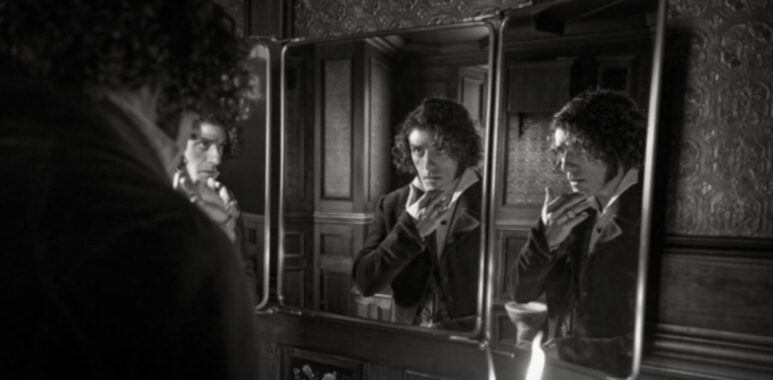
Del Toro’s Frankenstein is as much about visual storytelling as it is about the narrative. The film is rich in vivid imagery, contrasting scenes of grotesque violence with breathtaking moments of beauty. The aesthetic choices evoke a gothic ambiance reminiscent of del Toro’s previous works, such as Crimson Peak. The film presents a world where brutality and beauty coexist, highlighting the duality of creation and destruction.
Emotional Landscapes
The emotional depth of the film is underscored by its exploration of loneliness and the need for connection. As the creature experiences the world for the first time, there are poignant moments that capture the light of hope and the dark shadows of despair. The struggle for acceptance is universal, resonating with audiences beyond the horror genre.
Thematic Reflections and Conclusion
Ultimately, del Toro’s Frankenstein is not merely a horror film; it is a profound exploration of humanity’s darker impulses and the enduring quest for understanding. The narrative challenges viewers to reconsider the archetypal monster and the responsibilities inherent in creation. As the film unfolds, it reflects on the cyclical nature of trauma and the potential for redemption through empathy and understanding. Del Toro’s unique vision breathes new life into an age-old tale, ensuring that the story of Frankenstein remains relevant for contemporary audiences.
Related reading: Леонард Прескотт: перспективы юного вратаря ФК Байерн, Молодий голкіпер FC Bayern може стати історією у футболі and Leonard Prescott: A Young Hopeful for FC Bayern’s Goalkeeping Future.
Читайте также:-
Хотите узнать вероятность голов и шансы команд на победу? Посетите наш новый раздел Футбольная аналитика, где представлены простые и точные прогнозы матчей.
-
Кто победит в следующем матче? Узнайте точные прогнозы и вероятность голов в нашем новом разделе Футбольная аналитика.